Where to buy
This guide exists because of a specific black box in a specific dashboard, so the first check is personal: confirm your unit really is the MEX-N5100BT, since Sony sold lookalike receivers whose outputs differ. With that settled, the linked listings below let you verify each model’s current details at Amazon before committing, and the commission note applies as usual: orders placed there may earn us a commission from qualifying purchases, at no extra cost to you.
Resist the temptation to substitute a near-identical model number spotted elsewhere at a tempting figure. Speaker ranges recycle names across years with different motors underneath, and the pairings in this guide were checked against the exact models named. Ten seconds spent comparing the listing title against the heading above saves the particular misery of a parcel that almost matches your doors.
While the listings are open, look at the carton contents as carefully as the specifications. Whether grilles, screws and short wire tails are included decides if the install finishes the same afternoon or stalls waiting for sundries. The models named here were checked with their box contents in mind, so the swap you plan is the swap you will actually perform.
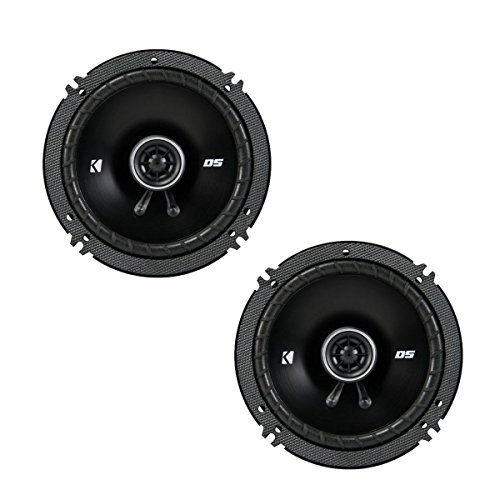
- KICKER DSC650 6.5-Inch Coaxial Car Speakers (Pair, 43DSC6504) – best overall match choice; check price on Amazon.
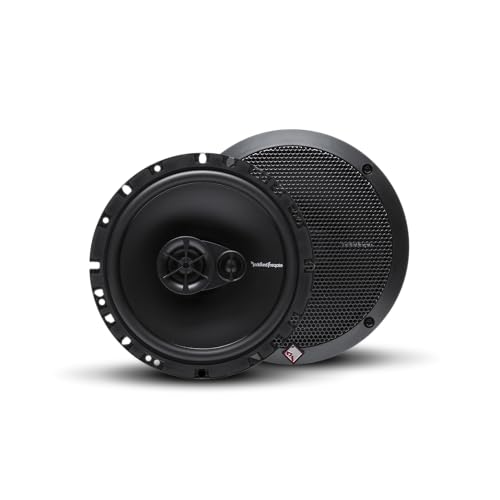
- Rockford Fosgate Prime R165X3 6.5-Inch 3-Way Car Speakers (Pair) – best for detail on head-unit power choice; check price on Amazon.
- High-sensitivity 6.5-inch coaxial pair (prose-only pick, no single model linked) – best for maximum volume without an amp choice.
- 6.5-inch component speaker system (prose-only pick, no single model linked) – best for cars with tweeter housings choice.
- KICKER KM65 6.5-Inch Marine Coaxial Speakers (Pair, 45KM654) – best for convertibles and wet doors choice; check price on Amazon.
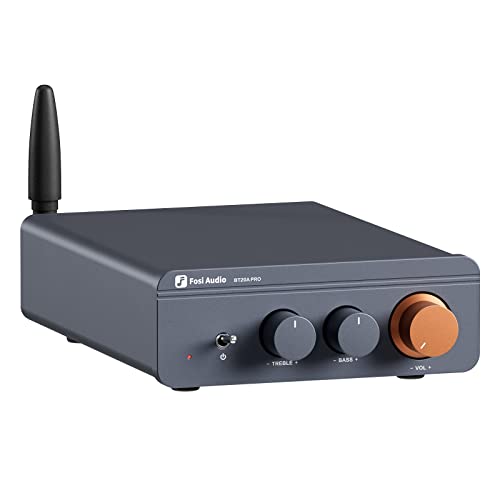
- Compact external amplifier (prose-only pick, no single model linked) – best upgrade beyond speakers choice.
Key Takeaways
- Sensitivity is the deciding spec with this head unit: efficient speakers play cleaner and louder on its built-in power.
- The KICKER DSC650 and Rockford Fosgate R165X3 are the verified linked pairs, both 4-ohm factory-replacement designs.
- Keep the load at 4 ohms per channel and the Sony’s internal amplifier stays in its comfort zone.
- A component set only makes sense if your car has tweeter locations; otherwise a good coaxial serves this receiver better.
- A small external amplifier is the one upgrade that rewrites this guide, and it is covered as a prose-only route.
In this guide
Quick Picks
| Buyer type | Pick | Why it stands out | Link |
|---|---|---|---|
| Best Overall Match | KICKER DSC650 | Respects the factory’s holes and wiring exactly | Check price on Amazon |
| Best for Detail on Head-Unit Power | Rockford Fosgate R165X3 | Three-way layout holds the midrange together at volume | Check price on Amazon |
| Best for Maximum Volume Without an Amp | High-sensitivity 6.5-inch coaxial pair (Prose-Only Pick) | Loudest, cleanest results from the receiver alone | Prose-only – see review |
| Best for Cars With Tweeter Housings | 6.5-inch component speaker system (Prose-Only Pick) | Ear-level image from separately mounted tweeters | Prose-only – see review |
| Best for Convertibles and Wet Doors | KICKER KM65 Marine | Sealed build treating damp as a design condition | Check price on Amazon |
| Best Upgrade Beyond Speakers | Compact external amplifier (Prose-Only Pick) | Transforms headroom, bass control and composure | Prose-only – see review |
How These Picks Were Chosen
- Sensitivity suited to head-unit power, so the Sony reaches comfortable volume cleanly
- 4-ohm impedance matched to the receiver’s internal amplifier
- RMS handling that is honest at modest power rather than inflated at the peak
- Verified Amazon listing and manufacturer specifications
- Standard 6.5-inch fit and door-friendly mounting depth
- Construction that tolerates the age and condition of the cars this receiver typically lives in
The Best 6.5 Speakers For Sony MEX-N5100BT
Most speaker guides pretend your receiver is a generic wattage figure. This one begins with a particular silver-faced Sony from the middle of the last decade, because that unit’s real output, its impedance expectations and its ageing connectors decide which speakers will sing and which will merely fit. The six routes below all respect those facts, arranged from the safest pairing outward to the ambitious ones.
Three routes carry verified Amazon listings you can inspect directly. The other three describe categories where the correct specimen depends on your dashboard’s tweeter housings, your hunger for volume, or your willingness to hide an amplifier, and forcing a single link onto those decisions would help nobody. Badges match the Quick Picks table throughout, so the summary and the detail never argue with each other.
One promise runs through all six routes: nothing here asks the Sony to be a different receiver. No pick needs it to produce power it lacks, drive loads it dislikes, or pretend its Bluetooth arrived from a newer decade. The guide works with the unit as it is, which is why the results hold up in real dashboards rather than only in comparisons.

KICKER DSC650 6.5-Inch Coaxial Car Speakers (Pair, 43DSC6504)
Badge: Best Overall Match
The pairing facts: a two-way coaxial set in the 160 to 165 millimetre class, four ohms, a quoted 240 watts peak for the pair, a polypropylene cone with a ribbed surround, and a factory-upgrade shape made for doors and rear decks.
Every shortlist for this receiver needs a pair that simply works, and the DSC650 fills that role without demanding a single compromise from the Sony. Its four-ohm load matches the unit’s expectations exactly, its cone stays light enough to respond to modest watts, and its factory-replacement shape means the swap itself introduces no new problems for the pairing to overcome.
In daily service the combination feels unforced. Morning news arrives intelligible at low volume, a courtesy to sleeping streets, while a favourite album on an empty evening road can climb to satisfying levels before the receiver’s ceiling makes itself known. The polypropylene cone tolerates the damp breath of old door cavities, and the ribbed surround keeps its flexibility through the temperature swings of a car that lives outdoors. If your MEX-N5100BT still serves a daily driver and you want one purchase that restores its dignity, begin and very possibly end here.
It also flatters the Sony’s tuner, an input modern guides forget. Radio broadcasts arrive compressed and processed, and a speaker with a civilised top end keeps presenters natural through long talk segments. Owners who split their listening between the morning news and evening playlists get one pair that treats both diets with equal respect, which is rarer than it should be.
Key specs: two-way coaxial pair sized 160 to 165 millimetres; four-ohm impedance; a peak figure of 240 watts for the pair; polypropylene cone, ribbed surround; shaped as a straightforward factory replacement for doors or rear decks.
Strengths
- Respects the factory’s holes and wiring exactly
- Voicing kind to modest head units like this one
- Construction with years of door service behind it
Trade-offs
- Sub-bass is absent; a door is no subwoofer box
- Stamped rather than cast basket, per its class
- Hidden behind factory covers; no visual theatre
Best for: owners of this Sony who want the easiest, most forgiving upgrade / Not suited for: listeners planning to run insensitive speakers with no amplifier

Rockford Fosgate Prime R165X3 6.5-Inch 3-Way Car Speakers (Pair)
Badge: Best for Detail on Head-Unit Power
The pairing facts: a three-way full-range coaxial pair, forty-five watts RMS and ninety peak per speaker, four ohms throughout, a vacuum-formed polypropylene cone, grilles included, and a direct factory-replacement brief.
The Rockford exists for listeners who felt the Sony had more to say. Its three-way arrangement dedicates a smaller driver to the upper midrange, the region where consonants, string attack and studio ambience live. Through this receiver that translates into radio presenters who sound present rather than telephoned, and acoustic recordings that keep their room around them at motorway volume.
Each speaker’s forty-five watts RMS rating sits comfortably beyond anything the head unit will ask, leaving headroom that reads as composure rather than loudness. Grilles are supplied for exposed locations, and the vacuum-formed polypropylene cone resists the moisture of daily doors without complaint. Fitting follows the factory-replacement pattern the Sony’s typical host cars expect. Pick this pair when the complaint is blur rather than volume, and when your listening diet leans toward voices, jazz, folk and anything recorded in a real space.
Give it a week before forming the final judgement. Fresh surrounds loosen, and your ears recalibrate from the old, muffled reference they had accepted as normal. Around day five, owners typically report the same small shock: lyrics they have sung wrongly for years suddenly resolve into the correct words, delivered by a receiver they nearly replaced.
Key specs: three-way full-range coaxial pair; each speaker rated forty-five watts RMS and ninety peak; four ohms; vacuum-formed polypropylene cone; grilles in the carton; intended as a direct swap for factory drivers.
Strengths
- Three-way layout holds the midrange together at volume
- 45W RMS handling fits this Sony today, an amp tomorrow
- Grilles included for exposed mounting locations
Trade-offs
- Detailed voicing can expose poor sources
- True bass depth still belongs to a subwoofer
- Some doors require rings to adapt the pattern
Best for: detail-first listeners using this receiver on factory power / Not suited for: listeners who prefer a softened, distant presentation
High-sensitivity 6.5-inch coaxial pair (Prose-Only Pick)
Badge: Best for Maximum Volume Without an Amp
Defined simply: a coaxial pair engineered efficiency-first, publishing a strong sensitivity figure at one watt, keeping cone mass low, and asking almost nothing beyond what a lone head unit can give.
If an amplifier will never join this car, sensitivity becomes the entire game. Each extra decibel of efficiency is volume the Sony does not have to manufacture, and a pair chosen for lightness of cone and generosity of motor can sound startlingly alive at settings where a heavier design merely wakes up. This is the connoisseur’s route for a head-unit-only system.
Shop by published sensitivity measured at one watt, distrust figures quoted without conditions, and favour four-ohm pairs with standard mounting depth. No single model is linked because sensitivity claims are the most creatively written numbers in car audio, and your finalists deserve individual scrutiny against their makers’ own data sheets rather than a borrowed recommendation. Verify the figure, then let this category do quietly what brute power does loudly.
One caution travels with this category: efficiency sometimes arrives with a leaner low end, because light cones and small motors trade bass weight for speed. In a small cabin at sane volumes the exchange favours the listener, but bass devotees should audition with their own music rather than trusting a specification sheet to predict their happiness.
Key specs: an efficiency-first coaxial design; compare one-watt sensitivity figures between candidates; four-ohm impedance expected; standard depth preferred so the swap stays simple.
Strengths
- Loudest, cleanest results from the receiver alone
- No amplifier cost, weight or wiring
- Forgiving of the unit’s ageing outputs
Trade-offs
- Lowest ceiling if amplification arrives later
- Bass weight is traded for efficiency
- Sensitivity claims vary in honesty between brands
Best for: owners extracting maximum volume from the stock receiver alone / Not suited for: owners who will definitely add an amplifier soon
6.5-inch component speaker system (Prose-Only Pick)
Badge: Best for Cars With Tweeter Housings
Defined simply: a woofer for the door, a tweeter that mounts separately higher up, a crossover dividing frequencies between them, four-ohm presentation in typical sets, and an afternoon of fitting as the entry fee.
Your Sony can feed a component set, provided expectations stay realistic about volume. The crossover sips a little power, and the separate tweeter needs a home your dashboard may or may not offer. Where factory tweeter pods exist near the mirror triangles, this route buys the finest imaging available anywhere in this guide, with voices floating at glass height.
It remains unlinked for a practical reason: tweeter cups, crossover dimensions and woofer depths differ enough between sets that naming one model would strand owners of the wrong dashboard shape. Shortlist sets with compact crossovers, tweeters that fit your pods without surgery, and sensitivity high enough to forgive the receiver’s modest output. Fit the passenger side first if you are learning, keeping the driver’s door as your reference until confidence arrives.
Aiming the tweeters is the craft within the craft. A few degrees of angle change the soundstage noticeably, so temporary mounting with reusable adhesive, followed by a week of listening before final fixing, beats drilling in confident haste. The Sony will not change during that week; your understanding of your own cabin will, and the finished install inherits that knowledge.
Key specs: a split system of door woofer, separate tweeter and crossover box; four ohms in most implementations; demands a tweeter home and a crossover hiding place; verify both before committing.
Strengths
- Ear-level image from separately mounted tweeters
- Crossover quality above coaxial norms
- Makes an older receiver sound unexpectedly modern
Trade-offs
- Install effort and possible trim work
- Needs tweeter locations to justify itself
- Easy to mount tweeters badly and lose the benefit
Best for: cars with factory tweeter housings running this head unit / Not suited for: cars with no tweeter location available

KICKER KM65 6.5-Inch Marine Coaxial Speakers (Pair, 45KM654)
Badge: Best for Convertibles and Wet Doors
The pairing facts: a marine coaxial pair of 6.5 inches with a three-quarter-inch tweeter, four-ohm impedance, sixty-five watts RMS, ultraviolet-resistant cones over Santoprene surrounds, stainless rustproof hardware, sealed construction and two grille colours included.
Pairing a boat speaker with a car receiver sounds like a category error until you inspect the doors of an ageing convertible. Rain finds its way past perished seals, pools in the cavity, and mists every surface at dawn. The KM65 was built for exactly that climate, merely at sea: sealed construction, hardware that shrugs off corrosion, and surrounds compounded to survive ultraviolet punishment.
Electrically it behaves like any polite four-ohm guest, and its sixty-five watts RMS rating means it will still be comfortable if an amplifier joins the Sony later. The three-quarter-inch tweeter keeps dialogue crisp for the podcasts this receiver so often plays through a phone connection. Charcoal and white grilles both travel in the carton, letting the finished doors match a dark cabin or a pale retro interior. Choose it when your car’s weather sealing is a fond memory rather than a current fact.
Garage-kept classics make another fine use case. Cars that emerge on fine weekends and sleep through damp winters subject their door speakers to condensation cycles that quietly rot ordinary cones. A marine driver treats that storage pattern as light duty, greeting each spring with the same voice it had in autumn, while paper-based rivals slowly surrender to the dark.
Key specs: marine coaxial pair at 6.5 inches; tweeter measuring three quarters of an inch; four ohms; sixty-five watts RMS; ultraviolet-resistant cones, Santoprene surrounds, stainless rustproof fittings, sealed construction, charcoal and white grilles supplied.
Strengths
- Sealed build treating damp as a design condition
- Stainless fittings that release cleanly after years
- Charcoal and white grilles for cabin matching
Trade-offs
- Costs more than the car speaker, outlives it anyway
- Output is presence-led rather than bass-led
- White grilles reveal grime with total honesty
Best for: convertibles and older cars with wet door cavities / Not suited for: dry, garaged cars where standard pairs last well
Compact external amplifier (Prose-Only Pick)
Badge: Best Upgrade Beyond Speakers
Defined simply: a compact multi-channel amplifier, sized by continuous watts per channel into four ohms, small enough to hide under a seat, and fed by this receiver’s preamp outputs.
A compact amplifier is the one upgrade that changes this receiver’s personality rather than merely polishing it. Fed a clean signal and asked only to be a source, the Sony hands volume duties to a unit with a real power supply, and the whole system relaxes. Distortion that once arrived at two-thirds volume simply never shows up during normal listening.
Size the amplifier by continuous output per channel into four ohms, matched loosely to your speakers’ RMS appetite, and measure the hiding place before ordering: under a seat, behind a panel, or in a boot corner away from heat. This category stays unlinked because dimensions and channel counts vary so widely that the right box depends on your cabin’s spare centimetres. Buy the fit and the honest wattage, in that order, and the Sony gains a second career.
Heat decides where the amplifier may live. A compact unit still sheds warmth, so a sealed cubby in summer sun is no home for it. Favour ventilated shade, keep its fins unobstructed by luggage, and the amplifier will deliver its rated behaviour for years instead of protecting itself by fading on long climbs, exactly when the music matters most.
Key specs: a small two or four channel unit; judge it by continuous watts per channel into four ohms; confirm physical dimensions against your under-seat or dashboard space before purchase.
Strengths
- Transforms headroom, bass control and composure
- Works with the speakers already in this guide
- Compact modern designs hide under seats
Trade-offs
- Adds wiring, cost and installation time
- Pointless if the current speakers are worn out
- Gains must be set carefully to protect speakers
Best for: owners ready to raise the system’s ceiling beyond head-unit power / Not suited for: owners determined to keep the system exactly as simple as it is
Comparison Table
Read this table as a compatibility chart rather than a contest. Every row already suits the Sony electrically; the columns simply show where each option spends its talents, whether that is efficiency, detail, weatherproofing or future expansion. Once a row survives your car’s measurements, the listing behind its link confirms the commercial details that change from week to week.
Notice, too, what the table leaves unranked. There is no overall winner column, because the correct answer changes with your doors, your roof and your appetite for projects. A convertible owner and a saloon owner can read the same six rows, choose differently, and both be right, which is exactly how a compatibility chart for one named receiver ought to behave.
| Pick | Type | Connection / fit | Power | Standout |
|---|---|---|---|---|
| KICKER DSC650 | 6.5-inch 2-way coaxial pair | Speaker wire into the car’s factory harness | Passive; driven by the Sony or an added amp | 4-ohm; 240W peak per pair |
| Rockford Fosgate R165X3 | 6.5-inch 3-way coaxial pair | Speaker wire into the car’s factory harness | Passive; driven by the Sony or an added amp | 45W RMS per speaker; grilles included |
| High-sensitivity 6.5-inch coaxial pair (Prose-Only Pick) | 6.5-inch high-sensitivity coaxial pair | Speaker wire into the car’s factory harness | Passive; driven by the Sony or an added amp | Efficiency-first design |
| 6.5-inch component speaker system (Prose-Only Pick) | 6.5-inch component set | Speaker wire into the car’s factory harness | Passive; driven by the Sony or an added amp | Separate tweeter and crossover |
| KICKER KM65 Marine | 6.5-inch marine coaxial pair | Connected by speaker wire and harness | Passive; driven by the Sony or an added amp | Marine grade; 65W RMS; stainless hardware |
| Compact external amplifier (Prose-Only Pick) | Compact car amplifier | Speaker wire into the car’s factory harness | Passive; driven by the Sony or an added amp | Raises the system’s power ceiling |
What Kind of Power Does the MEX-N5100BT Actually Make?
Forget the number printed largest on its original box. Like every receiver of its generation, this Sony advertises a peak figure achieved under forgiving conditions, while its continuous output per channel is a far smaller, far more useful number. Speakers live on continuous power, the steady watts available through a whole chorus, not the split-second summit of a drum hit.
That honesty reframes the entire shortlist. A speaker’s sensitivity, the loudness it returns for one watt, becomes the governing statistic, because the receiver has limited watts to spend. Efficient four-ohm pairs turn that modest supply into satisfying volume, while power-hungry designs expose the ceiling early and get blamed for distortion that begins in the amplifier section. Every pick here was chosen under that discipline, which is why none of them needs the volume control to visit its upper neighbourhood during ordinary listening.
There is a simple field test for all this theory. Play a dense, well-recorded track and raise the volume slowly until the sound first hardens at the edges. Note the number on the display. With the efficient pairs in this guide that point arrives noticeably later than it did with worn factory drivers, and the gap between those two numbers is the most honest review of the pairing you will ever conduct.
Matching Speakers to an Older Receiver: Condition Checks That Come First
Before blaming or praising any speaker, audit the system it joins. The receiver’s speaker outputs should be checked channel by channel with a known-good driver, because one tired channel can make a balanced pair sound lopsided. Inspect the harness behind the unit for previous owners’ improvisations: twisted joins wrapped in tape are future faults wearing a disguise.
The doors deserve the same honesty. Read the existing speakers’ labels for impedance, since a previous swap may have installed something unexpected. Run a finger around the mounting surface for rust or cracked plastic that would prevent a seal. Check that the window mechanism still travels freely, because your new driver’s magnet will share that space. Fifteen minutes of this detective work protects the entire purchase, and it frequently explains mysteries that owners had blamed on the Sony for years.
Connectors deserve a sentence of their own. The multi-pin plug behind a decade-old receiver oxidises quietly, and a single dull pin can mute a channel or crackle over bumps. A careful clean and reseat during the install costs minutes and has resurrected more apparently dying head units than any repair shop would care to admit in public.
When a Small Amplifier Changes the Answer
Everything in this guide is calculated for the Sony working alone, yet its preamp outputs keep a door open. Add a compact amplifier and the speaker question transforms: RMS headroom becomes valuable, sensitivity matters less, and component sets that once seemed thirsty become entirely reasonable. The receiver retires to the role it may secretly prefer, that of a well-mannered source and control centre.
Timing is the art. Fit speakers first, because tired drivers waste any amplifier’s gifts, then live with the head-unit-only result through a full season of journeys. If the ceiling still intrudes on the music you love at the volumes you honestly use, the amplifier decision has made itself, and the speakers recommended here were chosen with enough capacity to welcome it. Nothing bought in stage one becomes obsolete in stage two, which is how upgrades should behave.
Budget for the wiring as part of the amplifier, not as an afterthought discovered at the till. A proper power cable, fuse holder, ground lead and signal leads separate a silent, dependable install from one that whines with the alternator. The Sony’s preamp outputs keep that signal path clean, which is precisely why this receiver remains worth building around.
The MEX-N5100BT in Its Era: Why It Still Deserves Good Speakers
Judged against its contemporaries, this Sony was a grown-up piece of equipment: proper preamp outputs for future amplifiers, sensible ergonomics, and a tuner that held stations through countryside dead zones. Units like it earned their longevity, which is why so many still anchor dashboards today, long after the cars around them changed owners twice.
That survival creates the present opportunity. The electronics at the centre remain capable while the speakers at the edges, built down to a price and baked by a decade of summers, have quietly expired. Replacing the worn periphery restores the whole chain for a fraction of a new system’s cost, and it preserves a dashboard that still looks and feels right for the car. Sentiment aside, the economics are difficult to argue with.
There is also the matter of muscle memory. Owners of these units change stations, answer calls and adjust volume without looking, a fluency no touchscreen relearns quickly. Keeping the familiar control centre and refreshing only the speakers preserves that fluency, and passengers who ride with you regularly will notice the clarity without ever knowing a purchase occurred.
Troubleshooting the Pairing: When New Speakers Disappoint
Start with polarity, the silent killer of bass. One door wired backwards cancels low frequencies against its partner, leaving a thin, puzzling sound that no equaliser curve can rescue. Swap one pair of terminals temporarily and listen: if the bass blooms, you have found the culprit, and the fix costs nothing but ten minutes.
Next, suspect the seal. A driver bolted against an uneven or cracked mounting surface leaks air and buzzes on bass notes. Foam gasket tape cures most cases. Then check the receiver itself, testing each channel with a single speaker at low volume to expose a tired output stage. Work through these three suspects in order and the overwhelming majority of disappointing installs resolve themselves without a single additional purchase, which is exactly how troubleshooting should end.
Rattles masquerade as distortion with cruel accuracy. A loose trim clip, a coin in the door pocket or a window regulator cable resting against the card can all sing along at particular frequencies. Empty the pockets, press each panel while music plays, and localise the noise physically before accusing any electronics. Silence, once the true culprit is padded, feels miraculous.
Keeping the Pairing Alive: Small Care for an Older System
Older electronics rarely die dramatically; they fade through heat, dust and tired connections. Blow dust from the receiver’s vents when the dashboard is apart for other work, and keep the faceplate contacts clean, since a grubby connection there can mimic a failing unit. Every couple of years, pull the door cards and inspect the speaker surrounds and terminals you fitted, tightening what vibration has loosened.
Treat the car’s battery and charging system as part of the stereo. A weak battery sags voltage under load, and a sagging supply makes any receiver sound strained at volume. If the lights dim with the bass, the fault is electrical, not musical. Maintain those foundations and the pairing you build today can outlast the car around it, moving to a successor vehicle as a known, trusted quantity.
Sunlight is the slow enemy nobody budgets for. A windscreen shade during summer parking lowers dashboard temperatures dramatically, extending the life of the receiver’s display, the speakers’ surrounds and your own patience. Habits that cheap protect the entire chain, and they ask nothing beyond thirty seconds whenever you leave the car in hard light.
Sources Through the Sony: Making Each Input Sound Its Best
This receiver juggles sources of wildly different quality, and the speakers you choose will expose those differences honestly. Bluetooth from a phone carries compression that a detailed pair reveals as a slight flattening of cymbals; a wired connection or a well-ripped file restores what the codec discarded. Local radio varies by station engineering, so judge new speakers with your best source before condemning them with your worst.
Set expectations per input rather than chasing one curve for everything. A gentle treble trim may flatter talk radio while dulling good files, and the receiver’s presets exist precisely to hold those different compromises. Name them after their jobs, morning speech and evening music, and switch deliberately. Owners who organise their sources this way stop fiddling at traffic lights and start simply enjoying a system that behaves predictably from day to day.
Do not overlook the humble auxiliary habit of gain matching. A phone whispering at half volume forces the receiver to amplify its own noise floor along with the music, while a phone at full shout can overload the input. Set the source device high but not clipping, govern loudness from the dashboard, and every input inherits the cleanest version of itself.
What This Pairing Teaches About Every Future Pairing
Matching a named receiver to new speakers teaches a transferable discipline: read the source’s honest output, respect its impedance expectations, and let efficiency arbitrate when power is scarce. Those habits scale to home systems, boats and workshops, anywhere an amplifier with limits meets drivers with appetites. Owners who learn them here stop buying by badge and start buying by fit.
The second lesson is diagnostic humility. Most disappointing systems fail at their joints, in wiring, seals and settings, rather than in their headline components. A methodical owner who checks connections before purchases will out-perform a wealthy one who swaps boxes at random. Carry that mindset to your next project and this old Sony will have taught you something worth far more than its remaining market value.
Documentation is the final habit worth stealing. Photograph your wiring, note your settings, and keep the speaker cartons’ specification panels somewhere findable. Future you, diagnosing a rattle in three winters’ time, will be grateful. Future owners will be astonished. Systems maintained on paper age gracefully, while undocumented ones become archaeology at the first fault.
The Receiver’s Friends: Phones, Files and the Ageing Bluetooth
A receiver of this vintage meets a modern phone across a small cultural gap. Pairing occasionally needs to be forgotten and relearned after phone updates, and contact names may arrive in formats the display truncates. None of this is failure; it is two eras negotiating. Keep the phone’s own volume near maximum and let the Sony govern loudness, which preserves signal quality through the wireless link.
File hygiene helps more than any setting. Consistent, decent-quality rips make the system sound expensive, while a library of battered downloads from forgotten sources makes even fine speakers sound cheap. If you are refreshing the hardware anyway, spend one evening tidying the library it will play. The pairing will repay the effort every time a favourite track arrives sounding like the recording you remember, rather than a photocopy of it.
Passengers bring their own libraries, and the receiver handles the diplomacy. A quick re-pairing ritual, practised once and written on a card in the glovebox, saves roadside fumbling when a friend offers to DJ. Small courtesies like that are part of a system’s real quality, invisible in specifications and unforgettable in use.
How Do You Choose Speakers for One Specific Head Unit?
Begin with the receiver, not the catalogue. Write down its continuous output, its impedance expectations and the features you actually use, then let those facts veto most of the market before listening preferences get a vote. A speaker that mismatches the Sony’s power will disappoint however beloved its badge, while a well-matched modest pair will charm you daily.
Next, interrogate the car. Door depth, tweeter locations, moisture history and the state of the wiring all shape the shortlist as firmly as any specification sheet. Finally, decide your ceiling for future spending. If an amplifier might arrive next year, choose speakers with RMS headroom to welcome it. If this purchase closes the project, chase efficiency instead. The head unit stays constant throughout; your answers to those three questions determine everything else.
Write the decision down before shopping, in one sentence: the job these speakers must do for this receiver in this car. Pin that sentence above the shortlist. Every tempting diversion, a discounted flagship, a friend’s cast-offs, a bigger size squeezed into the door, gets tested against it, and most diversions quietly fail the audition without costing you a return label.
How to Set Up the MEX-N5100BT With New Speakers
Start by resetting the receiver to a neutral canvas: tone controls centred, loudness off, any previous owner’s mysterious custom curve cleared. Those old settings were apologies for dying speakers, and keeping them double-corrects a system that no longer needs rescuing. Play a recording you know intimately at moderate volume and simply listen for a full track before touching anything.
Work through the doors methodically. Confirm each new driver is sealed against its mounting surface, wired in correct polarity, and clear of the window’s path through its full travel. Then set balance and fader from the driver’s seat with the engine off, doors closed and your usual seating position adopted. Small equaliser moves come last, one band at a time, with a day of driving between changes. The Sony rewards this patience because its adjustments are broad; tiny nudges, honestly evaluated, beat dramatic curves drawn in an excited ten minutes.
Finish with a reference drive: the same route, the same three tracks, at the same settings, a week apart. Memory for sound is short and suggestible, and a fixed ritual exposes real change instead of mood. If the second drive leaves you reluctant to park, the setup is done, and further knob-turning becomes decoration rather than engineering.
- Start from flat. Reset the receiver’s tone controls, balance and fader to their centres, and switch off loudness and any bass-boost features. Every adjustment that follows is meaningless until the baseline is honest.
- Set the fader for your seat. With music playing, move the fader forward until the rear speakers contribute fullness without pulling voices behind you. Most solo drivers settle a couple of steps forward of centre.
- Find the clean volume ceiling. Raise the volume slowly on a dynamic track until you first hear strain, then back off a step. That is your system’s honest maximum; living below it keeps both receiver and speakers healthy.
- Adjust tone in small steps. Add or cut treble first, in single steps, to suit the new tweeters, then touch bass only if the doors are sealed and deadened. Small corrections preserve the headroom you just measured.
- Check Bluetooth and USB levels. Phone sources often arrive quieter or hotter than the tuner. Match their levels using the receiver’s source-level adjustment if fitted, so switching sources does not jump the volume.
- Live with it for a week. Resist daily re-tuning. After a week of varied listening, make one final small adjustment; new speakers and old ears both settle, and the setting that survives a week is the right one.
Common Mistakes
Judging the Sony by its advertised maximum output. The big number on its era’s packaging describes a peak the unit touches briefly, not the continuous power your speakers live on. Planning around the honest continuous figure prevents the classic disappointment of speakers blamed for a ceiling set by arithmetic.
Pairing it with low-sensitivity speakers and no amplifier. A driver that needs double the watts for the same loudness will expose every limit this receiver owns. The pairing may measure beautifully in a catalogue and still sound breathless in your driveway, so efficiency is not a preference here, it is the whole strategy.
Ignoring the car’s existing wiring and grounds. Ageing connectors, a tired earth point and perished speaker cable can eat the improvement you just bought. Before condemning any new pair, wiggle-test the harness, clean the ground, and confirm polarity at both doors with the same care you gave the purchase.
Setting the loudness feature and bass boost together. Stacked boosts stack distortion just as faithfully. The receiver’s sound shaping tools were designed to be used one at a time, sparingly, and stacking them asks small speakers to perform physics they cannot, at volumes the amplifier section cannot cleanly reach.
Mounting new speakers against a torn moisture barrier. The sheet behind the door card keeps window-slot rain out of the cabin and off your new cones. Slashing through it during the swap and leaving it open trades a weekend of better music for a season of damp smells and shortened speaker life.
Declaring the pairing a failure on the first drive. Fresh surrounds are stiff, ears are suspicious, and the equaliser still wears settings tuned to rescue the old speakers. Reset the tone controls flat, live with the pairing for a fortnight, and only then start nudging sliders with a notebook nearby.
Final Recommendation
For most owners the DSC650 is where this story ends, happily. It respects the receiver’s power, fits the doors the car already owns, and restores the clarity that made somebody buy this Sony in the first place. Add the Rockford when your listening leans toward speech and detail, or the marine Kicker when your doors live wet and your roof sometimes lives in the boot.
Keep the prose-only routes in mind as honest engineering rather than consolation prizes. A sensitive pair squeezes the last clean decibel from the head unit alone, components reward the right dashboard, and a compact amplifier rewrites the whole equation when you are ready. Whichever road you take, measure the car first, set the Sony flat, and let a fortnight of ordinary drives deliver the verdict.
A closing word about keeping the old speakers. Store them labelled, left and right, in the cartons the new pair vacated. If the car is ever sold to an enthusiast of originality, those boxes become a kindness; if a new driver ever fails, they become a diagnostic tool. Either way, five minutes of labelling today buys options that cost nothing to keep.
Related Guides
- Best 6.5 speakers for bass
- Best 6.5 speakers for clarity
- Best car speakers for sound quality
- Best amp for 6×9 speakers
Frequently Asked Questions
Is the MEX-N5100BT powerful enough for aftermarket speakers?
For efficient ones, genuinely yes. Its continuous output sits in the same modest territory as most receivers of its generation, which is plenty for sensitive four-ohm pairs at real-world volumes. The trouble only starts when speakers chosen for amplifier systems meet this unit alone and demand current it was never built to supply.
Think in terms of headroom rather than heroics. Ordinary listening uses a fraction of the available output, with brief peaks for drums and emphasis. Efficient speakers keep those peaks inside the clean zone, which is why the pairing feels relaxed at volumes that once sounded strained through tired factory drivers.
Which specification matters most with this head unit?
Sensitivity, by a distance. It decides how much loudness each of the receiver’s limited watts buys, and therefore how far the volume control travels before distortion arrives. Impedance comes second as a compatibility check, and the glamorous peak wattage figure trails the field, useful mainly as an example of numbers that do not matter.
Can I run a component set from this receiver?
Yes, with a volume caveat. The crossover absorbs a small share of the available watts, so a thirsty component set may play quieter than an efficient coaxial from the same volume setting. Choose a sensitive set, keep expectations sane, and the imaging reward outweighs the small loudness tax for most listeners.
Should I add an amplifier instead of new speakers?
Sequence matters more than the either-or framing suggests. Worn speakers waste amplifier power and distort before the extra watts can help, so drivers come first in almost every case. Once fresh speakers are in, live with them for a month; many owners discover the amplifier urge was really a dead-speaker complaint wearing a disguise.
Why does my system distort at high volume?
Because the receiver runs out of clean power before the speakers run out of ability. As its amplifier section strains, the waveform clips and the sound hardens, a warning rather than a character trait. Efficient speakers postpone that moment, an external amplifier abolishes it, and in the meantime the honest cure is a volume control turned down one notch.
Are marine speakers a sensible match for this Sony?
Stranger than it sounds, yes, in the right car. Convertibles, elderly coupes with perished window seals and work vehicles all soak their door cavities, and a sealed marine driver treats that as normal weather. Electrically the KM65 presents the same friendly four-ohm load, so the Sony neither knows nor cares that its new partners were raised around boats.
My MEX-N5100BT is in a car I am about to sell. Is this still worth doing?
Often, yes, if the current speakers are audibly tired. A clean, clear stereo is one of the first things a test driver notices, and a modest pair restores that impression for less than most cosmetic fixes. Keep the old drivers and the receipt, mention the refresh honestly, and let the next owner enjoy a cabin that sounds cared for.
Can this receiver run rear speakers as well as fronts?
Happily. Four channels were part of its original brief, so a second pair in the rear deck or back doors sits well within its abilities. Keep the fader a touch forward of centre for the driver’s seat, letting the rears fill rather than compete, and passengers inherit a balanced cabin instead of a wall of sound behind them.