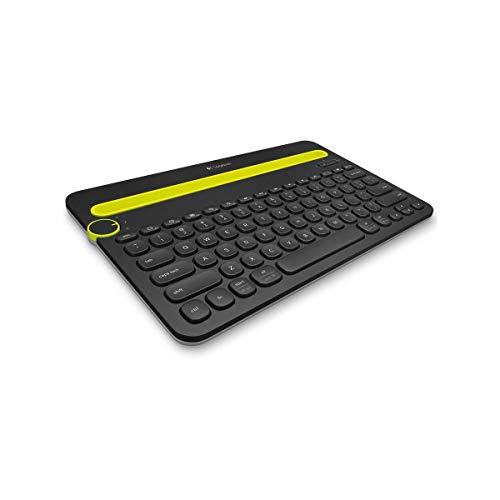
The tablet keyboard case vs separate keyboard decision shapes how you will write on your tablet every day: one integrated unit that protects and props up the tablet, or two independent pieces with a proper keyboard and total flexibility. Both approaches have devoted fans, and both have failure modes their fans politely ignore — cramped keys and permanent bulk on one side, forgotten keyboards and wobbly stands on the other.
This comparison goes criterion by criterion: typing comfort, portability, protection, lap use, battery and charging, longevity across tablet upgrades, and cost. It ends with clear recommendations for students, travelling writers, desk workers and households, so you can match the design to your routine instead of to a product photo.
Disclosure: As an Amazon Associate, kajuandouglas.com earns from qualifying purchases. Links to Amazon on this page are affiliate links; they cost you nothing extra. Listing details such as price and availability change often, so check the current Amazon listing before you buy.
Quick Verdict
Choose a keyboard case if your tablet travels and you write wherever you land — it is one protected unit, ready in seconds, and best for laps, lectures and trains. Choose a separate keyboard if you type mainly at a desk, want full-size keys, or expect to keep the keyboard across your next tablet. If you write seriously in both worlds, the honest answer is one of each, bought in the order your routine demands.
In this guide
Gear for This Guide
Verified examples of the separate-keyboard side; a fitted case, by definition, is the one made for your exact tablet model:
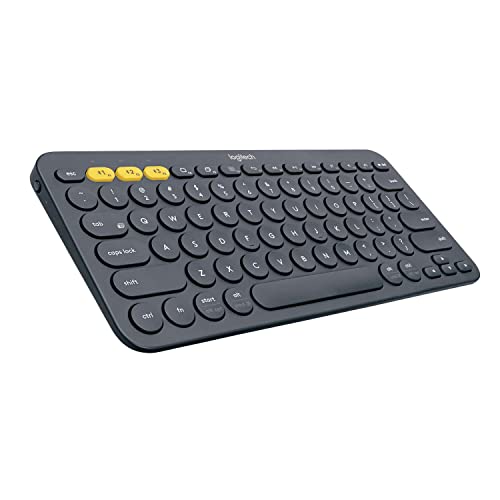
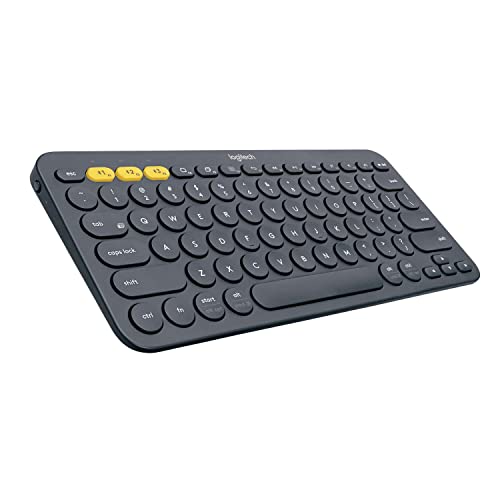
Logitech K380 Multi-Device Bluetooth Keyboard – Windows, Mac, Chrome OS, Android, iPad, iPhone, Apple TV Compatible – with Flow Cross-Computer Control and Easy-Switch up to 3 Devices – Dark Grey — the K380 represents the separate keyboard at its most practical: full-feeling keys, three-device switching and a size that still fits a bag. Check price on Amazon.

Logitech Pebble Keys 2 K380s Wireless Bluetooth Keyboard – Tonal Graphite — the Pebble Keys 2 shows the travel end of separate keyboards — slim and light enough that carrying two pieces stops feeling like a burden. Check price on Amazon.
Tablet Keyboard Case vs Separate Keyboard at a Glance
The structural trade-offs:
| Criterion | Keyboard case | Separate keyboard |
|---|---|---|
| Typing comfort | Keys often slightly compact; fixed angle to screen | Full-size options; position keys and screen independently |
| Portability | One unit, always with the tablet | Two items to remember, pack and charge |
| Protection | Doubles as the tablet’s case | None — you still need a case or sleeve |
| Lap use | Good on rigid designs; some are wobbly | Needs a stand or case for the tablet; awkward on laps |
| Battery | Connector models never charge; Bluetooth cases rarely | Own battery, weeks to months per charge |
| Longevity | Retires with that exact tablet model | Works with future tablets, phones and computers |
| Cost pattern | Premium fitted cases are pricey per tablet | One purchase serves many devices |
Typing Comfort and Ergonomics
Separate keyboards win this criterion clearly. You can choose full-size keys with standard spacing and real travel, place the keyboard close and the tablet further away on a stand at eye level — an ergonomic arrangement a case can never offer, since its screen and keys are locked a few centimetres apart. For an hour of email that lock-in hardly matters. For a working day of writing, the case’s slightly shrunken keys and fixed, low screen position produce the sore wrists and hunched neck that separate setups exist to prevent.
Case defenders answer, fairly, that their keys are good enough for the writing they actually do on a tablet — notes, messages, documents in bursts — and that the best writing setup is the one that is actually with you. Both claims are true, which is why your typing volume, not your typing ideals, should decide.
Portability, Protection and Readiness
A keyboard case is the tablet’s armour and keyboard in one object: grab the tablet and you have everything, protected, with zero packing decisions. It shines in lectures, site work, travel and any routine where writing opportunities appear unplanned. The costs are permanent — the tablet is thicker and heavier every minute of every day, including when you only wanted to read — and the case’s protection is only as good as its design, with slim elegant cases offering little drop defence.
A separate keyboard keeps the tablet slim for reading and media, and lets you bring the keyboard only when writing is planned. Its costs are friction and forgetfulness: the keyboard left at home, the stand you also need, the second device to charge. Households solve this with a designated bag pocket and a charging routine; solo travellers solve it by admitting the case suits them better.
Battery, Connections and Longevity
Connector-powered cases are the convenience champions: no pairing, no charging, instant wake. Bluetooth cases and separate keyboards both pair easily and run for weeks, but they add one more battery to your mental inventory. Longevity is the separate keyboard’s quiet superpower — a good Bluetooth board serves your current tablet, your next tablet, your phone and a computer, while a fitted case becomes e-waste the day you change tablet models or even generations. Over two tablet lifetimes, the separate keyboard is usually the cheaper and less wasteful purchase.
Who Each Option Suits
Students moving between lectures, field and service workers, frequent travellers and anyone whose tablet is their main computer should lean to the case. Desk-based writers, home workers, touch-typists and multi-device households should lean separate. Children’s tablets suit rugged keyboard cases where available, because one unit survives school bags better than two. And the hybrid is legitimate: a protective non-keyboard case plus a separate keyboard kept in the bag pocket covers nearly every scenario with the least compromise.
The Desk Setup Test
Imagine your longest realistic typing session on each option. With a case, the screen sits low and close, fixed at the case’s angles; an hour passes fine, an afternoon accumulates neck and wrist complaints that no chair adjustment fully cures, because the geometry is the product. With a separate keyboard, the tablet rises on a stand to eye level, the keyboard sits where your hands want it, and a mouse or the touchscreen handles pointing — the same ergonomics advice given to laptop users, finally applicable to a tablet.
Now imagine the unplanned session: the email that must be written on a train, the notes in a lecture, the document on a site visit. The case is already there, attached, charged by the tablet or its own long-lived battery, and the session simply happens. The separate keyboard is in a drawer at home, and the session happens on glass, slowly, with errors. Frequency of unplanned typing is the statistic that decides this comparison for most people, and it is worth estimating honestly from your last month rather than your intentions.
Neither test is a trick; they measure different lives. Students and mobile workers fail the first test rarely and the second constantly. Desk writers live the reverse. The comparison has no universal winner because it was never really about keyboards — it is about where your typing lives.
Ownership Costs Across Two Tablets
Run the numbers across a realistic ownership span. A premium fitted case bought for tablet one is retired with it; its successor for tablet two costs the same again. A good separate keyboard bought once serves both tablets, plus a phone, plus a computer, and typically ends the period still working. Even two mid-range separate keyboards — one for the desk, one for the bag — often total less than two generations of premium cases, while typing better throughout.
The case’s counter-argument is protection bundling: the separate-keyboard owner still buys a case or sleeve for the tablet, narrowing the gap. Price that honestly — a protective non-keyboard case plus a separate keyboard against the keyboard case alone — and the separate route still usually wins across two tablets, while the case wins across one short ownership or where its protection genuinely replaces a second purchase.
Environmental cost follows the same curve: fitted cases are model-specific e-waste on a two-to-four-year cycle, while a universal keyboard’s service life spans devices. Buyers who weigh waste will find the separate keyboard the easier conscience, and the second-hand market agrees — universal keyboards resell; last generation’s fitted cases mostly do not.
Edge Cases That Break the Tie
Large tablets blur the comparison: at thirteen inches, a fitted case’s keys approach full size and the typing penalty shrinks, while the combined weight grows into laptop territory, which may prompt the question of why not a laptop. Small tablets sharpen it the other way: their cases’ keys are unavoidably cramped, pushing serious typists to separate boards and a stand. Pen users should check how each option treats the stylus — some cases store and charge it elegantly, while separate setups leave it loose in the bag, where pens go to be lost.
Accessibility can decide outright: users who need specific ergonomic keyboards, one-handed layouts or switch devices are served by the separate route’s open market, not by any case. Shared and family tablets lean case, because the keyboard that cannot be separated cannot be lost by a child. And households with several tablets of different brands get multi-device value from one separate keyboard that no set of cases can match.
What Writers, Students and Gamers Actually Choose
Ask working writers with tablets and a pattern emerges: the case handles the road, the separate board handles the desk, and the purchase order follows income — students buy the case first because lectures are non-negotiable, professionals add the desk board when the word count justifies it. Gamers are the exception that clarifies the rule: tablet gaming barely uses keyboards at all, and where it does — strategy titles, chat — any board suffices, so gaming should never drive this purchase. Video editors split by phase: rough assembly travels with the case, finishing happens at the desk setup. The chooser is never the device; it is the calendar.
Households sharing one tablet resolve it democratically and badly unless someone thinks in systems: one good separate keyboard on the family desk serves every member’s tablet sessions, while cases multiply per device and per child. The shared-desk pattern is why separate keyboards dominate family recommendations in this guide’s sibling articles — the economics of one keyboard, many tablets, are difficult to argue with.
The Verdict, Revisited After a Year
The honest test of this comparison is not the first week but the fiftieth. Case owners report that the keyboard is simply always there — and that the tablet has become, permanently, a small laptop they also read on. Separate owners report the best typing of their lives — on the days the keyboard was present. Regret runs in both directions and is predictable from the calendar analysis: mobile lives regret bulk they chose for a desk, desk lives regret absence they chose for mobility. Re-read your own last month before ordering, choose for the life documented there, and this comparison will have done its work whichever side you land on.
Looking More Closely at the Details That Decide It
Most discussions of deciding between a tablet keyboard case and a separate keyboard for your own routine stay at the level of headlines, yet the outcome is usually decided by smaller details that only appear once you live with the decision. Three of those details deserve attention before anything else: integration and readiness against freedom to choose each part separately, lap typing stability from a rigid case compared with a loose board and stand, and battery and charging arrangements in single-unit and two-piece kits. None of them looks dramatic on a specification sheet. Together, those three checks decide whether the case or the separate board disappears into your routine or keeps interrupting it.
Start with integration and readiness against freedom to choose each part separately. An attached case is ready the second you open it, while a separate board asks you to fetch, position and pair or plug it before the first word gets typed. Compare the two styles across one ordinary day of your own, counting how often each was simply there when you wanted to type. Note each time you typed somewhere unexpected, on a train table or a kitchen counter.
Points to keep in mind
- Judge integration and readiness against freedom to choose each part separately in your own setting before trusting a general verdict.
- Treat lap typing stability from a rigid case compared with a loose board and stand as a first-order factor, not a footnote.
- Name the compromise in one line, such as readiness gained against desk comfort given up.
Then consider lap typing stability from a rigid case compared with a loose board and stand. Lap stability is that kind of late discovery, solid on a shop counter and wobbling through a film. Test the case where lap typing is hardest, on a soft sofa with your feet up, because a hinge that survives that angle will survive any desk. A case that only feels stable on a hard, level desk will disappoint sofa typists, train travellers and anyone whose lap is their real workstation.
Finally, weigh battery and charging arrangements in single-unit and two-piece kits alongside the first two rather than in isolation. The case trades freedom for readiness, since the hinge that guarantees stability also fixes screen distance. A mature decision about case versus separate decision names that trade-off out loud. Once you say out loud that you type mostly on your lap or mostly at one desk, the case-versus-separate argument usually ends on the spot.
How This Plays Out in Real Situations
Abstract advice becomes useful when it meets a real household, so consider a household tablet that moves between a kitchen stand and a child’s homework desk. For that household tablet, the question is whether one attached keyboard can serve kitchen stand and homework desk alike. Start by timing how long each style takes from closed bag to first typed word, and only weigh comfort extras once that readiness gap is clear. Households here routinely find the attached case wins busy weekdays simply because it is always present.
Contrast that with an office user who docks the tablet at a monitor for most of the week. At a docked desk the priorities invert, with screen height suddenly worth more than portability. A small weight difference that seemed trivial at a desk can become the whole story across a school day, while desk ergonomics fade for someone who rarely docks. This is why copying a friend’s conclusion about case versus separate decision so often disappoints: the friend optimised for a life that is not quite yours, with rooms, routines and patience that differ from your own.
Points to keep in mind
- Compare a keyboard case against a separate keyboard by carrying both styles for a full week.
- Try both styles the way other writers did, then score them against your own seats.
- Judge the keyboard by your usual seat, not by the one perfect desk you imagine.
A third pattern appears with a novelist who writes for hours and notices every millimetre of key spacing. Across a long draft there is no patience for cramped keys, so spacing and a stable base come first. For that novelist, measuring key spacing against a familiar laptop board before buying prevents months of accumulated wrist and accuracy complaints. If that sounds familiar, put key spacing and long-session comfort ahead of hinge tricks or styling.
There is also the quieter case of an upgrader who changes tablets often and resents replacing accessories each time. Nothing has failed outright for that upgrader, yet every tablet change turns the fitted case into waste and the separate board into the only survivor. A case hinge that loosens a season at a time, a board forgotten once a week, and a stand left in another room can quietly sour either choice. Calling it a presence problem points to the case, while a comfort problem points to the separate board.
A Practical Method You Can Repeat
When opinions conflict, a repeatable method settles the question of deciding between a tablet keyboard case and a separate keyboard for your own routine better than another hour of reading. The method has four moves. First, write the typing job plainly: mostly one desk, mostly your lap, or split between travel and kitchen. Second, gather evidence in that exact setting. Third, change or compare one variable at a time. Fourth, judge both styles against that written job rather than against showroom impressions, because the desk in the shop flatters both unfairly.
In practice that means actions such as these: list your three most common typing locations and judge both options against them; borrow or trial each style for a full day rather than a shop-counter minute; and check how each option behaves on your lap, not only on a flat desk. Each is deliberately unglamorous. None of those trials needs a showroom, only your bag, your lap and one honest day per style. Worked through in that order, the trials shrink a philosophical argument into a few observed facts about your own routine. Swap case, stand and desk position together during the trial, and you will never know which change made the sofa session feel better.
Points to keep in mind
- decide who else uses the tablet and whether a fixed case helps or hinders them
- keep the receipt until a long session has tested comfort, not just connection
- cost the setup across the tablet replacements you realistically expect
Equally important is what to record. Useful notes for case versus separate decision include the date and time, the place, what else was happening at the time, and a simple verdict in your own words. Across a week of notes, the pattern that emerges is usually about place: which seat hosts most typing, which bag carries the kit, which room never has the stand. Those dated observations are also exactly what a returns desk needs to accept that the case was tried fairly in your routine, should you exchange it for a separate board.
Allow the lap test a few evenings rather than deciding from one desk demonstration. That patience pays by replacing style arguments with observed evidence about your own lap, desk and bag. Most people do not need more information about case versus separate decision; they need their own information, gathered calmly in their own setting, and this method is simply a way of collecting it without drama.
Living With the Decision Over Time
The first week with any choice about deciding between a tablet keyboard case and a separate keyboard for your own routine is a poor predictor of the first year. In week one the case feels clever and the board luxurious, and neither has survived a rushed morning yet. Picture month six instead: the hinge loosened or held, the board was forgotten or faithfully carried, and the routine picked its winner.
Long-term satisfaction usually rests on unexciting qualities connected to what happens to each option when you replace the tablet itself and weight distribution in a bag, not just total weight on a spec sheet. Those unglamorous qualities decide whether the setup survives a tablet upgrade and a year of bags, or gets quietly replaced at the first excuse. When you weigh the two styles, weight bag behaviour and upgrade survival above the showroom verdict, because you will carry and replace tablets long after the reviewer has moved on. Ask a colleague who has lived with each style for a year which one is on the desk today and which one lives in a drawer.
Points to keep in mind
- Inspect case hinges and separate keyboard batteries monthly, since both fail quietly without warning.
- Commuters often abandon heavy cases, while desk workers happily keep separate keyboards permanently plugged in.
- Swap your preference if you start travelling weekly or, conversely, settle into one desk.
Maintenance deserves a plan rather than good intentions. Fold charging whichever half needs it, checking the hinge and gathering the stand into one weekly moment. Five weekly minutes of gathering and charging prevent the dead-board, missing-stand mornings that make either style feel unreliable. In the context of case versus separate decision, that plan mainly means keeping an eye on repair and replacement when one half of a two-part setup fails before it turns into a bigger problem.
Finally, expect your next tablet, desk or commute to reshuffle which style deserves to win. Moving home, changing work, a new household member or a new device can all reorder the priorities around case versus separate decision. A separate board that was perfect for a desk year is not a failure when a travelling year makes the attached case the honest winner. With your trial notes in hand, that reshuffle becomes a quick re-check of lap, desk and bag rather than reopening the whole argument.
Mistakes to Avoid and Signs You Chose Well
Three style errors show up in returns so often that they deserve plain names before you commit. One is this: assuming a keyboard case protects like a rugged case in a school bag. Another, just as common, is the opposite excess — choosing a separate board for comfort and leaving it behind when you need it. And a third, quieter error is judging trackpads by presence rather than by how your tablet system uses them. None of the three needs a bigger budget, only a slower minute before the decision hardens. Each error begins the same way, with one vivid moment, a staged desk, a tempting bundle, a friend’s certainty, standing in for weeks of ordinary routine.
Avoiding them does not require expertise, only a pause. Before committing, ask the hostile version: where will this style annoy me weekly, and have I actually typed on my lap with it? Have I tried it anywhere except a tidy desk, including my lap and a morning rush? What am I assuming about key size compromises inside a case built to match the tablet footprint that I have not verified? Ten minutes of hostile questioning, aimed at your own favourite option, is the cheapest insurance available in the whole process of deciding between a tablet keyboard case and a separate keyboard for your own routine.
Points to keep in mind
- Put your leading style through that honest lap test before the decision becomes final.
- Judge success by quiet, ordinary evidence over several weeks.
- Try small corrections before concluding that replacement is necessary.
How will you know the decision was right? Watch for ordinary evidence: how often the keyboard is present when an idea or message arrives; total satisfaction once novelty fades and routine takes over; and accuracy and fatigue during your longest typical session. None of these announces itself with fanfare. Success looks quiet: the keyboard is present when the idea arrives, the longest session ends without fatigue, and nobody mentions the setup at all. That absence of daily negotiation is what you were actually choosing between styles for, and it outranks any hinge specification printed on the box.
If the lap scores point the other way, begin with the tiniest adjustment that answers the actual routine. Many disappointments with case versus separate decision yield to a small correction — a setting, a position, a habit, an accessory — rather than a complete replacement. Work through those small corrections first, adjusting stand position, charging habits or carrying routine before blaming the style. Save replacement for structural mismatches: a routine that moved from desk to travel, a case the new tablet cannot use, or hands needing a bigger board. That calm order, small corrections before structural verdicts, saves more style swaps than any single comparison tip here.
One More Round of Checks Before You Settle
There is one last check that seasoned travellers run even when a style already feels right, and it is worth borrowing before the return window closes. It concerns trackpads built into cases versus pointing devices chosen separately and desk ergonomics when screen and keys can be positioned independently, two aspects that reveal themselves slowly. Deliberately spend your longest typing day in your worst seat with each style, and watch where comfort or readiness strains first. You are not hunting for reasons to swap styles; you are mapping exactly how much lap wobble or desk compromise you can happily live with for years.
Tell whoever shares the tablet what you learned about its stand, its charging split and its best seat. A setup for case versus separate decision is a household system, not a personal gadget, and other people’s routines will find edges yours never touches. Their routine will find the seat you never type in and the bag you never carry, far cheaper than quiet complaints. Agree the house rules together, where the stand lives, who charges which half and which seat suits which style, and leave them on a note inside the bag pocket.
Points to keep in mind
- Probe the lap wobble, bag bulk and desk height once on purpose, rather than mid-journey by accident.
- Note which option each family member grabs instinctively; that habit reveals the real winner.
- Stop swapping styles once your weekday sessions start without a negotiation.
Then stop optimising. Past a certain point, another evening spent re-arguing case against board is an evening not spent writing, and recognising that point is part of deciding well. If your lap notes, bag checks and session scores all say the style works, let it travel, stand and type without further supervision. Save the saved attention for genuinely broken things, like a cracked stand or a hinge giving way. When a new tablet, a new job or a new commute arrives, your trial notes will turn that fresh style decision into a short, calm re-test. With case versus separate decision, that stopping point usually arrives once total satisfaction once novelty fades and routine takes over stops changing from week to week.
Worked Examples That Make the Trade-Offs Concrete
Work through the docked office user slowly, because the monitor changes the answer completely. Imagine an office user who docks the tablet at a monitor for most of the week. The instinct is to buy the premium dock setup, as if desk luxury could compensate for a tablet that mostly travels. Yet the binding constraint in that picture is usually battery and charging arrangements in single-unit and two-piece kits, and no amount of spending elsewhere relaxes it. That office story only resolves once the charging split between case and board is understood honestly, because every later morning hangs on which half is awake.
What to watch for
- Name what limits the office user first, screen height or keyboard freedom, before comparing styles.
- Restate the office user’s limits with your own desk, monitor and hours before trusting the moral.
- If the same comfort complaint keeps returning, the style itself is the problem, not your technique.
Now change one variable: imagine an upgrader who changes tablets often and resents replacing accessories each time. The same two styles remain, yet the frequent upgrader ranks them oppositely, because tablet changes changed the exam. This is the single most transferable lesson in the whole subject of deciding between a tablet keyboard case and a separate keyboard for your own routine: context is not a detail around the decision, it is the decision. When a review praises a style, translate its verdict into your seats, your bag and your tablet habits before letting it influence the decision.
A third example works as a warning. Picture a household that skipped the early checks, committed quickly, and spent the following month applying fixes for assuming a keyboard case protects like a rugged case in a school bag and then for forgetting a stand in the separate-keyboard budget and improvising badly. Each quick fix, a borrowed cushion, a retrieved stand, a tightened hinge, helped for a day before the style mismatch returned. The cost was not only money; it was confidence. By the time the wrong style was finally admitted, the family had stopped trusting their own desk tests altogether. The three examples in this guide are there to break that cycle: test lap, desk and bag with your own routine before money changes hands.
Use these examples as templates rather than stories. Swap in your own desk, your own lap and your own upgrade cycle, and run the office reasoning again with those facts. If swapping in your upgrade cycle flips the winning style, your tablet habits, not the showroom, are the real decision-makers. If the same style wins for the desk, the lap and the journey in your notes, you have found the rare setup that fits a whole household. Applied to case versus separate decision, the detail that most often changes the conclusion is weight distribution in a bag, not just total weight on a spec sheet.
A Decision Flow When You Feel Stuck
Indecision about case versus separate decision usually means two good criteria are pulling in opposite directions, not that you lack information. When that happens, stop researching and start ranking. Write the style criteria as a ranked list, presence, long-session comfort, bag behaviour and upgrade survival, and refuse to let a later advertisement reorder it. Ranking feels pedantic for a minute, then suddenly the style argument separates into the option that fails your top criterion and the one that merely fails your fourth.
What to watch for
- Rank presence, comfort and upgrade survival before you let another listing load.
- Cut any style that fails on presence or comfort, then lap-test whatever survives.
- If weight and typing comfort tie, choose whichever protects the tablet screen better daily.
Next, apply a simple elimination pass connected to trackpads built into cases versus pointing devices chosen separately. Cut ruthlessly on the genuine deal-breakers, a style your main seat cannot support or a case your next tablet cannot use, because those flaws will greet you every single day rather than merely looking awkward in a table. This pass is often brutal and always useful. What survives is a pair of styles you can day-test properly, and that small honest shortlist is where confidence comes from.
Then test the survivors against the state of the tablet after months of your real carrying habits and flexibility when the tablet is used for reading, drawing or video in your own setting, on the same day if you can, so conditions stay comparable. Score the lap session and the bag carry straight after each test, while your knees and shoulders still remember which style did what. Owners are routinely surprised how a written lap score contradicts the verdict they carried out of the shop, because knees remember the typical evening better than heads remember the dramatic demonstration.
If two styles still tie on presence and comfort, break the tie on housekeeping: which one charges where you already charge things, and which one survives your next tablet change? Ties between two good styles are genuinely common, because most routines contain enough desk and lap time to flatter both. Pick the tied style your routine prefers and start writing, rather than spending another week hunting a difference your days will never feel. For case versus separate decision, the easiest option to live with is usually the one that handles trackpads built into cases versus pointing devices chosen separately with the least fuss.
Seasonal, Household and Long-Term Angles Worth Planning For
Conditions change across the year, and a decision about deciding between a tablet keyboard case and a separate keyboard for your own routine that is tested in only one season carries hidden risk. School terms move typing to kitchens, holidays move it to trains, and visitors move it to spare-room floors, so a style tested only at your desk has not met your real year. You cannot rehearse the whole year in advance, but you can ask the travel question out loud: will this style still suit the busiest, most crowded, least desk-shaped week I actually live?
What to watch for
- Holiday travel favours the case, while a long home-working winter favours the separate keyboard.
- Ask whoever packs the school bag whether the case feels protective or merely bulky.
- Keep the losing option as a spare rather than selling it; needs change surprisingly fast.
Households also change from inside. A style chosen by one confident adult will be inherited by homework children, sofa partners and kitchen-table grandparents, each with different habits. The setups that survive that inheritance are the ones a newcomer can carry, stand and type on without a briefing, with the stand stored predictably, the charging split obvious and a small note for the lap trick. When you evaluate case versus separate decision, spend one minute imagining the least technical person in your life facing it alone. That minute is a surprisingly accurate quality test.
There is also a cost missing from the receipt: the weekly attention a style demands in charging, gathering and stand-hunting. Beyond the price tag, count what the style will ask of you weekly: a charge here, a stand gathered there, a hinge checked before the bag gets zipped. A style that needs its parts gathered weekly will quietly fail in a household that thinks about accessories monthly, whatever its desk scores say. Matching that attention rhythm to your household matters as much as matching the style to the routine. With case versus separate decision, the recurring effort worth counting most honestly is the effort tied to battery and charging arrangements in single-unit and two-piece kits.
Finally, think about the exit before you need it. When this tablet changes, how will each half be replaced, handed on separately or recycled without wasting the survivor? Keeping the stand with the board, noting desk heights, and saving both receipts make that change a calm errand. That is not pessimism; it is what turns one purchase into accumulated household knowledge, so the next decision about case versus separate decision starts from experience instead of from a search box.
Questions Worth Asking Before You Spend Anything
Four honest questions, answered before any listing loads, prevent most of the expensive style mistakes this guide exists to avoid. First: what typing problem am I solving, stated as a seat and a schedule rather than a brand or hinge type? If that statement names a product, rewrite it until it names your desk hours, your lap evenings, your bag or the upgrade cycle instead. Solutions chosen for a life-shaped problem age far better than solutions chosen for a catalogue-shaped one, especially with case versus separate decision.
What to watch for
- Describe the typing problem as a seat, a schedule and a weekly pattern.
- List the seats, bags and tablets this setup must serve, and mark the unknowns plainly.
- Ask whoever shares the tablet, the desk or the sofa before the style is chosen.
Second: what evidence do I already have? Most households already know their seats, bags and upgrade habits better than any reviewer does. You know which seat hosts the long sessions, which bag is already full, which tablet change is coming and which partner will abandon the stand somewhere. Writing that local knowledge down before the listings load protects it from photography, desk staging and confident sales copy. Where your knowledge has gaps, name the test that fills each one, a lap evening here, a bag day there, because an unnamed assumption about seats is how styles get misjudged. For case versus separate decision, that existing evidence usually includes what you already know about repair and replacement when one half of a two-part setup fails in your own setting.
Third: when a hinge, stand or tablet needs attention next year, what exactly will I do, and which half gets replaced? Setups drift predictably: hinges loosen, stands wander, tablets change, batteries tire and households acquire new seats and schedules. A choice with a calm answer to that question, involving steps like keep the receipt until a long session has tested comfort, not just connection, is worth more than a choice with a slightly better specification and no answer at all. A setup that can be re-tested, re-gathered and re-homed calmly is resilient, even though no listing prints that word.
Fourth, and last: who else should have a say? Decisions about deciding between a tablet keyboard case and a separate keyboard for your own routine often affect people who were not in the room when the research happened, and their late objections can sink an otherwise sound setup. Ask the household early, in plain words: here is the typing problem, here is the style I favour, and what about its weight, seat or charging split would annoy you by half-term? The family may pick the very same style, but they will gather it, charge it and forgive its compromises because they helped choose it, while an imposed style gets blamed for every awkward seat.
Related Guides
- best Bluetooth keyboards for a 9.7 inch tablet
- best tablets for writing
- best tablets for productivity
- best tablets for students
- how to choose a tablet keyboard
- what is a good tablet keyboard
- how to pair a tablet keyboard
Frequently Asked Questions
Is a keyboard case or a separate keyboard better for students?
For moving between lectures, libraries and cafes, a keyboard case usually wins: one protected unit, instant setup, workable lap use. For long essay sessions in one place, a separate full-size keyboard is kinder to hands and posture. Many students start with a case and add an inexpensive separate keyboard for their desk later.
Do keyboard cases protect as well as regular cases?
Dedicated protective cases usually protect better, especially rugged designs with thick corners. Keyboard cases vary: some are genuinely protective, others prioritise thinness and offer little beyond scratch defence. If drops are a real risk in your routine, judge the case’s edges and corners as strictly as you would a normal case.
Can I use a separate keyboard with a tablet in a normal case?
Yes — pair it by Bluetooth and prop the tablet using the case’s stand feature or a separate tablet stand. This combination is popular because the tablet keeps its everyday protection and slim feel, while the keyboard joins only when needed. Just confirm your case’s stand angles suit typing at your desk.
Which option is cheaper over time?
Across one tablet, a mid-range separate keyboard often costs less than a premium fitted case. Across two tablets, it is not close: the separate keyboard carries over, while the fitted case must be replaced with each model. Connector-powered premium cases are the most expensive route per tablet generation.
Are keyboard case keys really smaller?
Usually slightly — the case cannot exceed the tablet’s footprint, so keys shrink or spacing tightens, especially on smaller tablets. On large tablets the difference nearly disappears. Touch-typists notice most; hunt-and-peck typists rarely do. If possible, type a paragraph on the exact case before buying.
What if I type both at a desk and while travelling?
That is the two-keyboard scenario, and it is common among serious writers: a full-size separate keyboard lives at the desk, a case handles travel. Buy in the order your hours demand. Alternatively, a slim separate keyboard plus a stand case splits the difference in a single purchase, accepting moderate comfort in both settings.
How long should I live with each style before choosing one?
For most households, a focused week of ordinary use tells you more than a month of occasional reading about deciding between a tablet keyboard case and a separate keyboard for your own routine. Test both styles across a desk morning, a lap evening and one busy journey, keep the dated notes, and then commit. Stretching that trial into a second month rarely changes which style wins; it usually just postpones the writing the setup was chosen for.
What should I change first if my preferred style tires my hands?
Return to the simplest explanation before replacing anything. Recheck the basics connected with repair and replacement when one half of a two-part setup fails, repeat your most reliable test in your most familiar setting, and change one variable only. If the winning style still wobbles, tires or absents itself on that calm re-test, the mismatch is in the style, and your scores will point at the exact seat or habit to change.
Is the pricier style worth it over the cheaper keyboard setup?
Only when the higher tier improves something your own routine actually stresses, such as protection that travels automatically versus protection you must remember. If your scores show the real friction is lap stability, paying more for a case with a bigger trackpad will not move the number that matters. Measure any pricier style against those scores, seat by seat and session by session, not against its best-staged desk photograph.